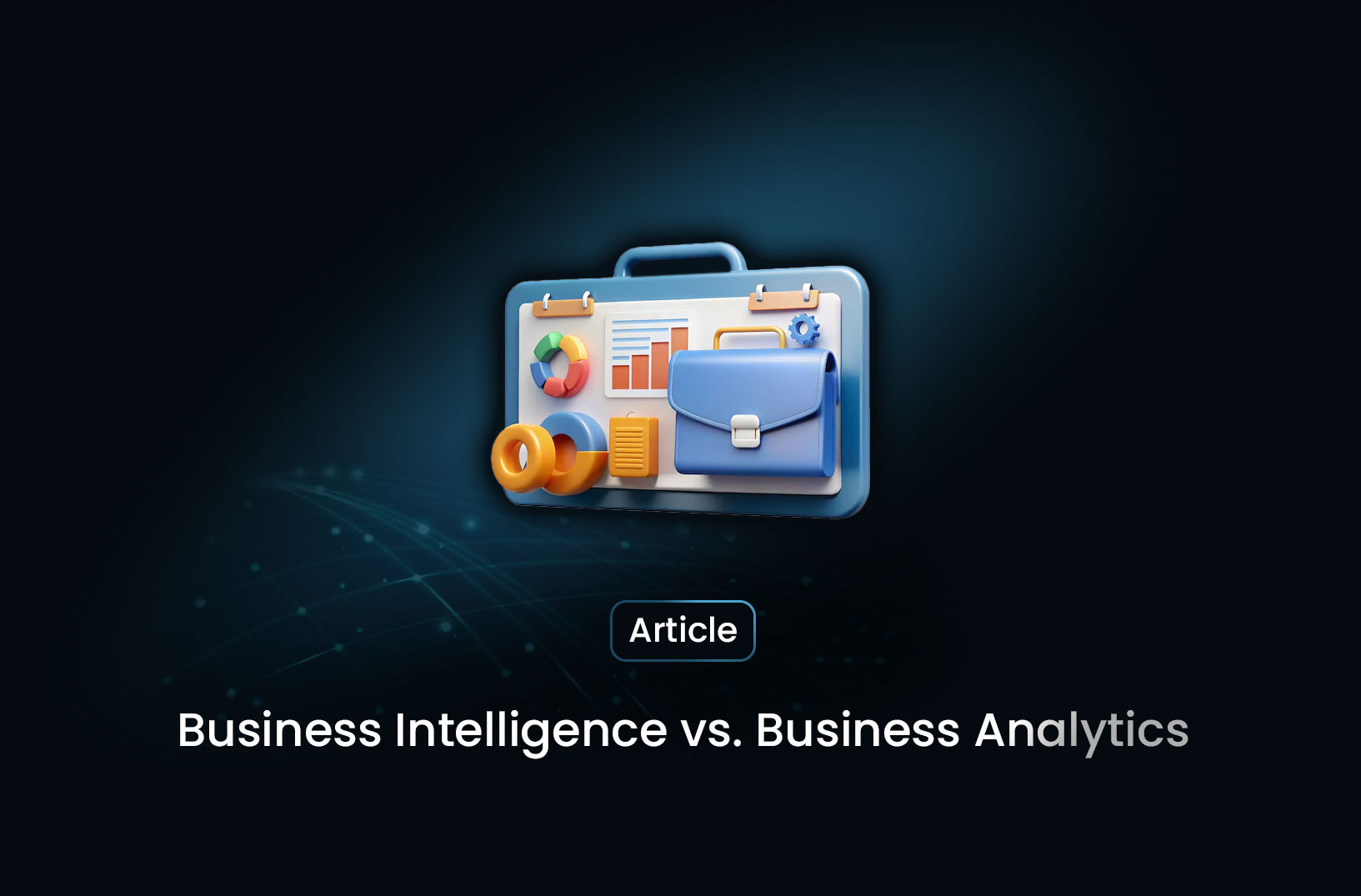
Business Intelligence vs. Business Analytics: Key Differences and How to Leverage Data for Competitive Advantage
ArticleBusiness intelligence and business analytics serve different purposes, but both rely on data. Learn how MrScraper helps businesses collect big data for competitive and pricing intelligence.
Business Intelligence vs. Business Analytics: What Sets Them Apart?
Businesses constantly rely on data to stay ahead of the competition. But when it comes to understanding and utilizing data, two key concepts often come up: business intelligence (BI) and business analytics (BA). While they may seem similar, they serve distinct purposes.
Business Intelligence (BI): Understanding Past and Present
Business intelligence is all about gathering, processing, and visualizing historical and real-time data to make informed decisions. It helps businesses track performance, identify trends, and optimize operations. BI typically involves:
- Dashboards & Reporting – Visualizing key metrics and KPIs.
- Data Warehousing – Storing large amounts of structured data for easy access.
- Operational Monitoring – Tracking current business activities for immediate decision-making.
BI answers "What happened?" and provides insights into current and past business performance.
Business Analytics (BA): Predicting the Future
Business analytics goes a step further by using statistical models, machine learning, and predictive analysis to anticipate future outcomes. BA helps businesses identify risks, forecast trends, and make proactive decisions. It involves:
- Predictive Analytics – Using historical data to predict future trends.
- Data Mining – Finding patterns in large datasets.
- Prescriptive Analytics – Recommending the best course of action based on data insights.
BA answers "Why did it happen?" and "What could happen next?", helping businesses plan for the future.
How MrScraper Powers Business Intelligence & Pricing Intelligence
To make the most of BI and BA, businesses need reliable, real-time data—and that’s where MrScraper come in. MrScraper allows companies to extract and process large-scale web data efficiently. Here’s how it helps:
1. Business Intelligence with MrScraper
With MrScraper, you can automate data collection from multiple online sources, enabling:
✔ Competitor Monitoring – Track competitor strategies, product offerings, and market trends.
✔ Market Research – Gather insights from industry reports, news sites, and social media.
✔ Performance Tracking – Collect real-time metrics to optimize decision-making.
2. Pricing Intelligence for Competitive Advantage
Pricing intelligence is a crucial part of BI. MrScraper helps businesses:
✔ Monitor Competitor Prices – Stay updated on price fluctuations and adjust pricing strategies.
✔ Detect Market Trends – Identify pricing patterns and consumer demand shifts.
✔ Optimize Pricing Strategies – Use real-time data to set competitive prices and maximize profits.
Conclusion
Both business intelligence and business analytics are essential for data-driven decision-making. While BI helps analyze past and present trends, BA provides predictive insights for the future. However, both rely on accurate, real-time data to be effective.
With MrScraper, businesses can automate data collection for business intelligence, pricing intelligence, and competitive monitoring. Whether you're analyzing past performance or predicting future trends, having access to the right data gives you the edge you need.


Find more insights here
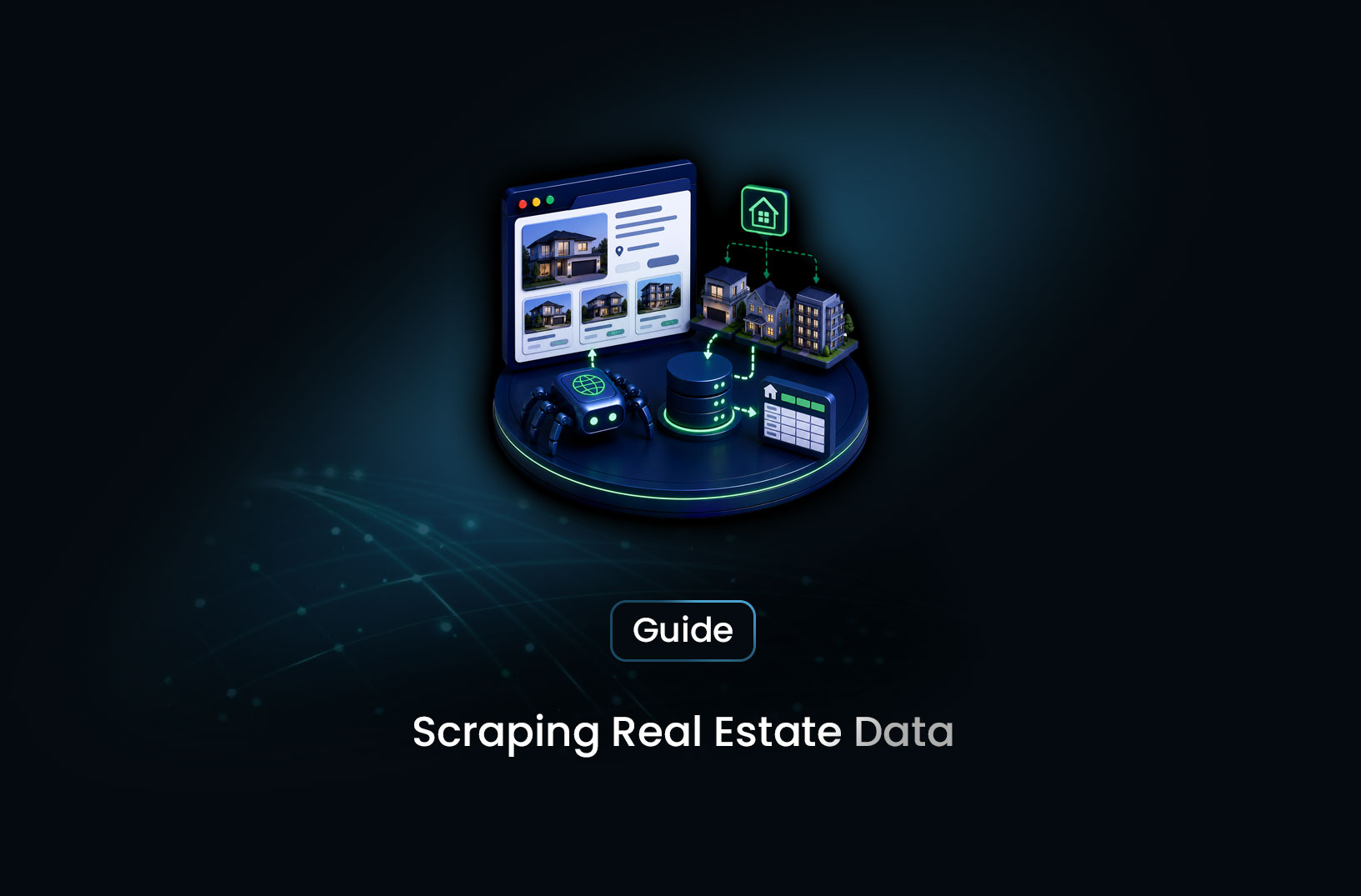
How to Collect Real Estate Data at Scale With a Web Scraping API
Learn how to collect real estate data at scale using a web scraping API — property listings, pricing...
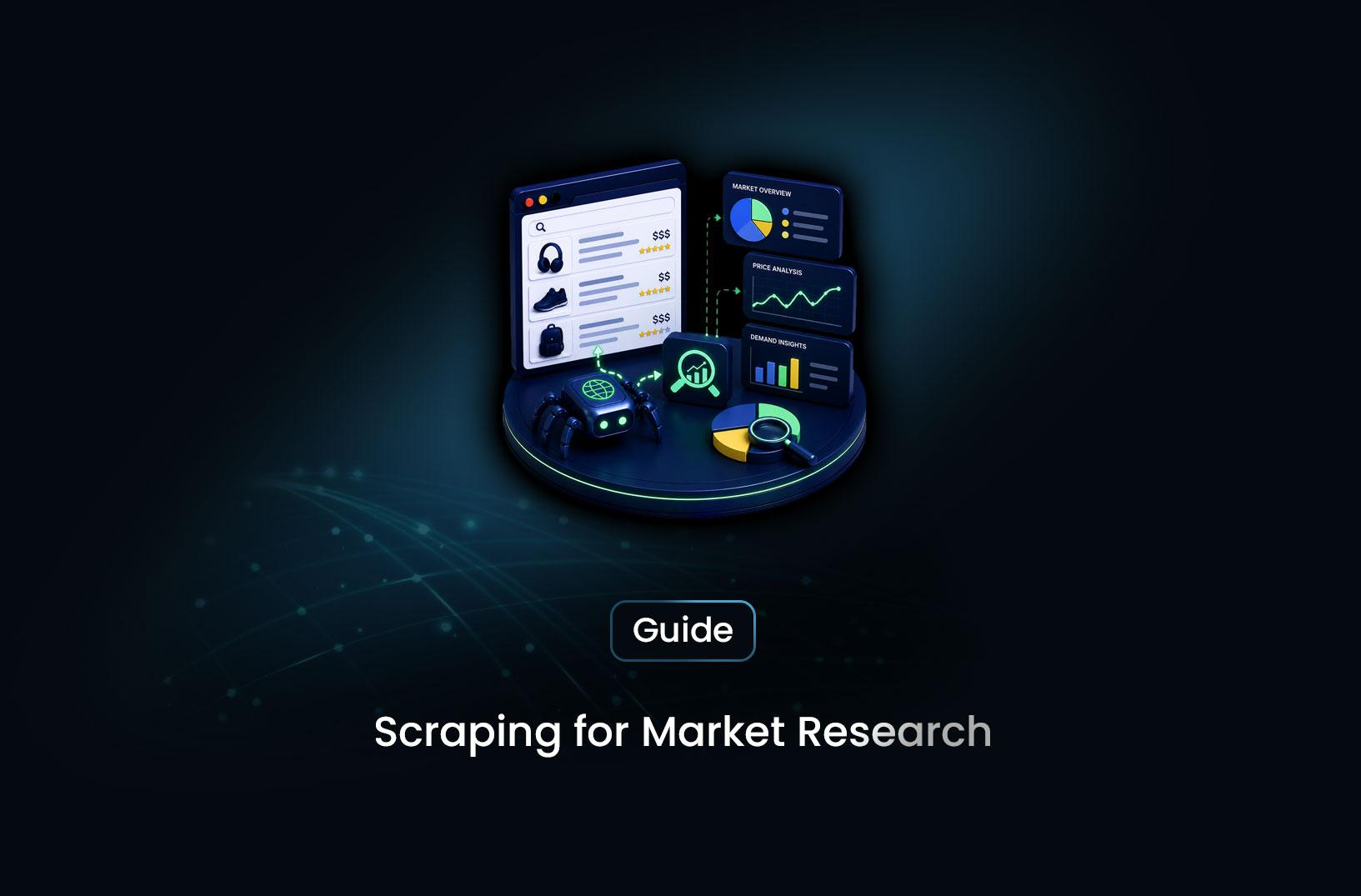
How to Use a Web Scraping API for Market Research (Step-by-Step Guide)
Learn how to use a web scraping API for market research — collecting competitor data, pricing intell...
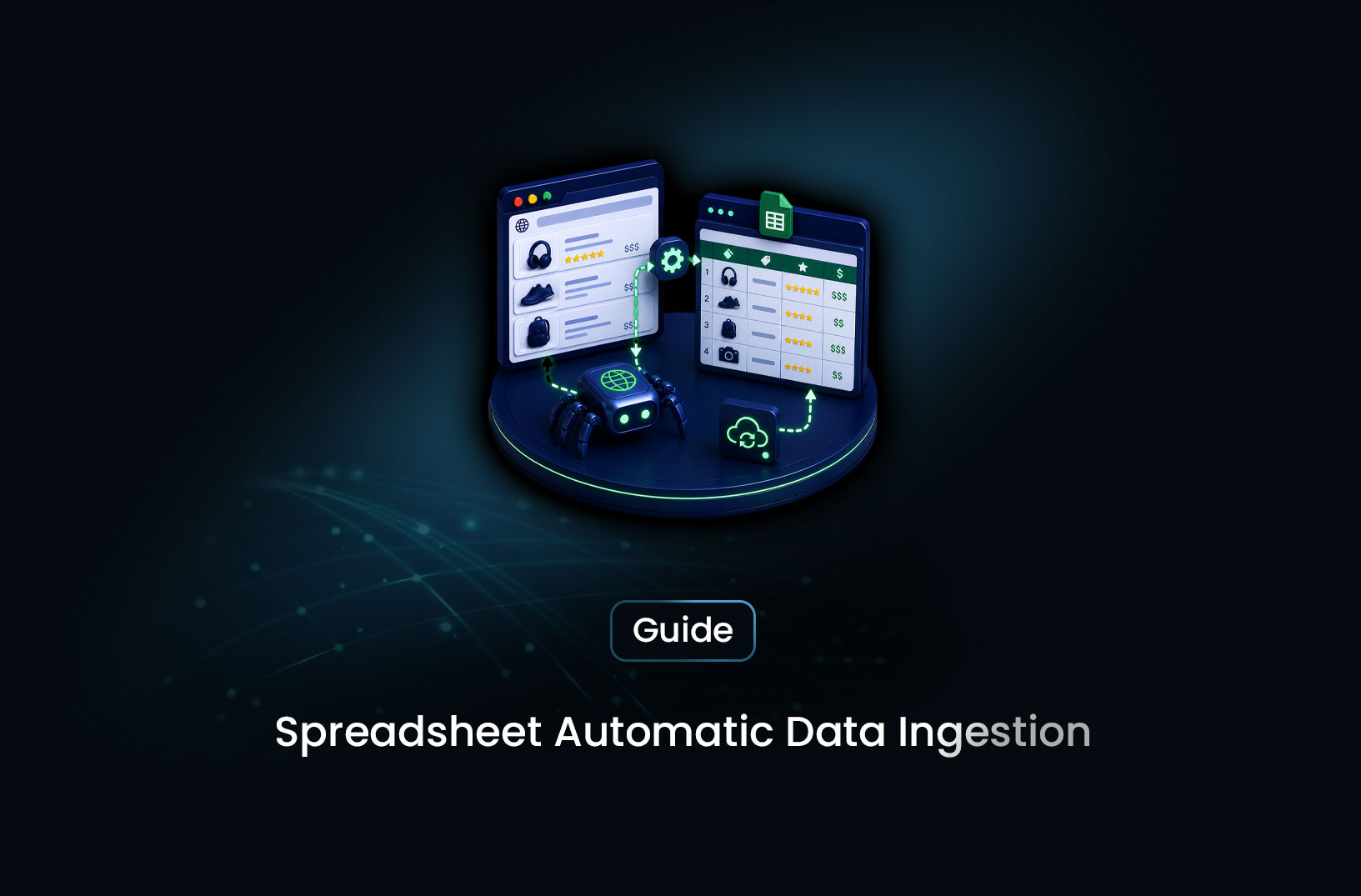
How to Automatically Extract Tables From Websites Into a Spreadsheet
Learn how to automatically extract tables from websites into a spreadsheet — using Python pandas, Go...